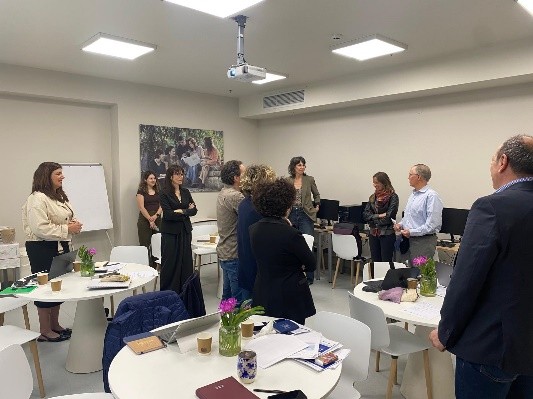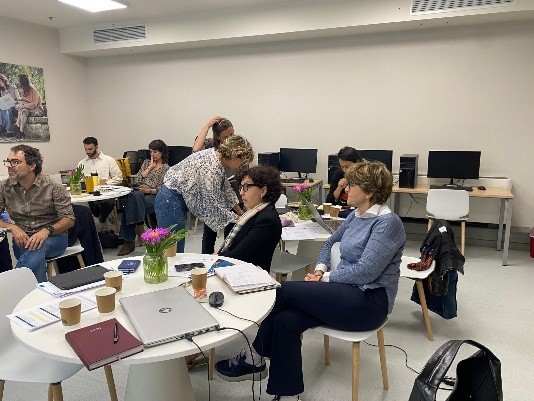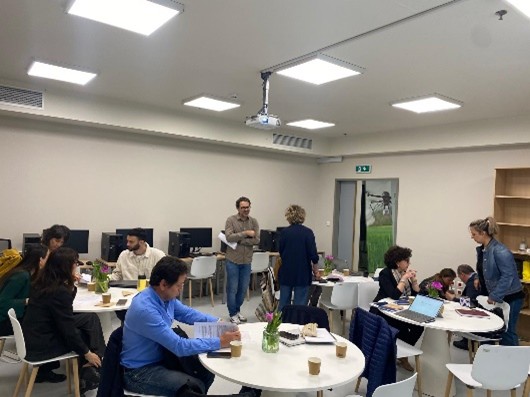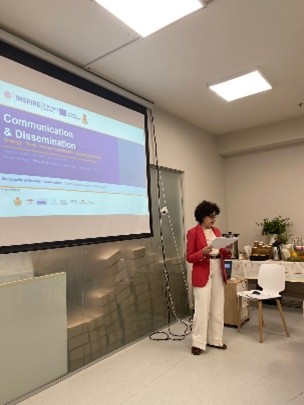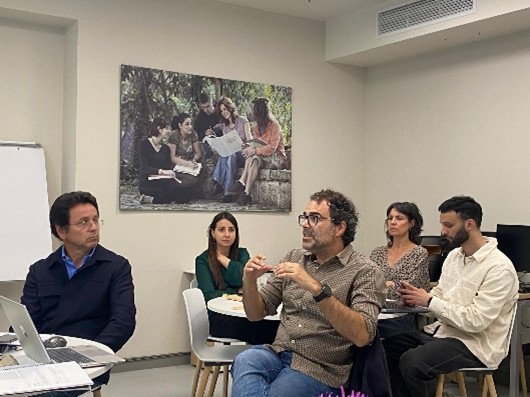

The meeting provided an opportunity to review the state of progress of the agrobiodiversity mapping (Work Package 2), carried out according to the methodology developed by Slow Food ETS, with the technical and scientific support of the American Farm School. Data collected from the partners’ pilot areas are being progressively uploaded onto the E-Lab platform, the project’s dedicated digital tool for recording local productions relevant to biodiversity and agroecological practices across the Mediterranean territories involved.
The meeting also established the timeline for the launch of Living Lab activities (Work Package 3), led by EuroVértice S.L. Between April and September 2026, participatory laboratories will be activated in the various pilot territories, involving farmers, tourism operators and local authorities, with the aim of co-designing the “Local INSPIRE Pact”: a protocol for the sustainable management of tourism flows and the enhancement of local territorial identities.
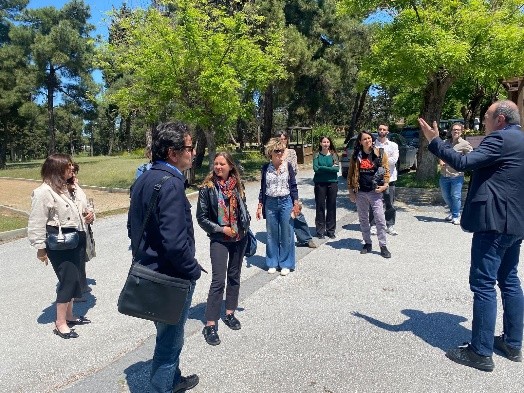
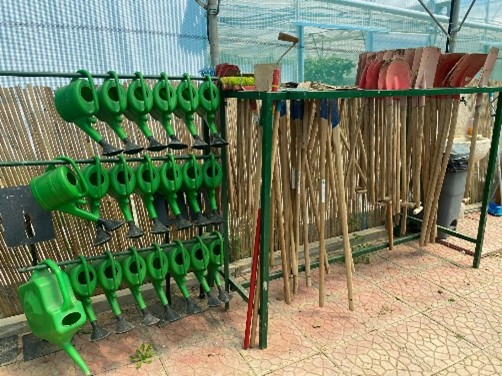
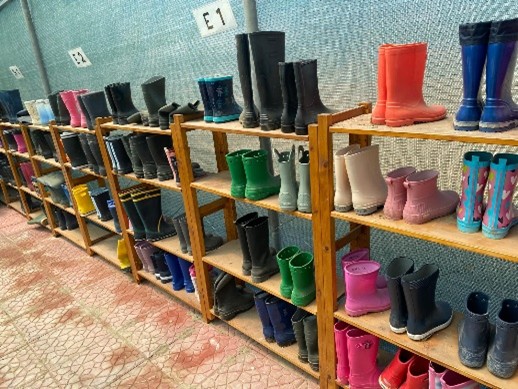
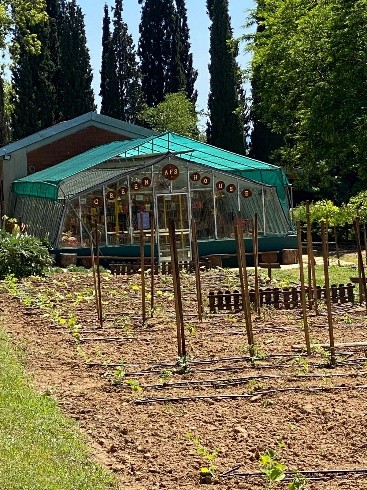
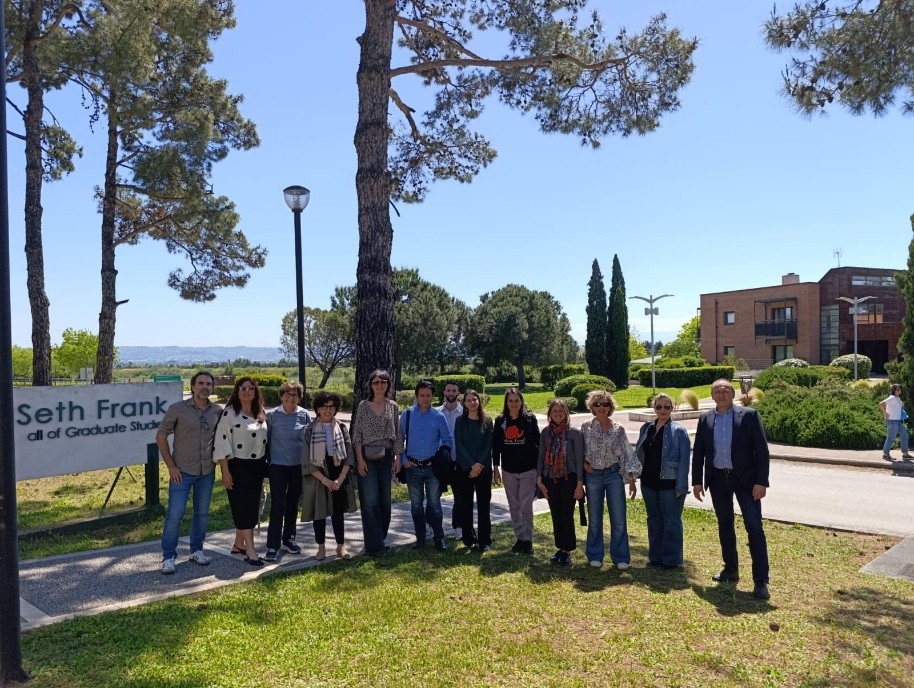
During the first day of work, partners had the opportunity to visit the American Farm School campus. Founded in 1904, AFS today operates in higher and technical education through the Perrotis College, as well as across various school levels from early childhood to secondary education. The visit focused in particular on the Educational Farm, the productive-educational hub where the school combines teaching with agri-food production: internally produced goods are the result of applied technological research and are distributed through both major retail chains and on-campus outlets.
The partnership explored AFS’s experiential learning model, which involves students of all ages directly in production cycles and natural resource management. This approach was recognised as a highly relevant case study for the objectives of the INSPIRE project, particularly with regard to raising awareness among younger generations of agrobiodiversity and sustainable land management.