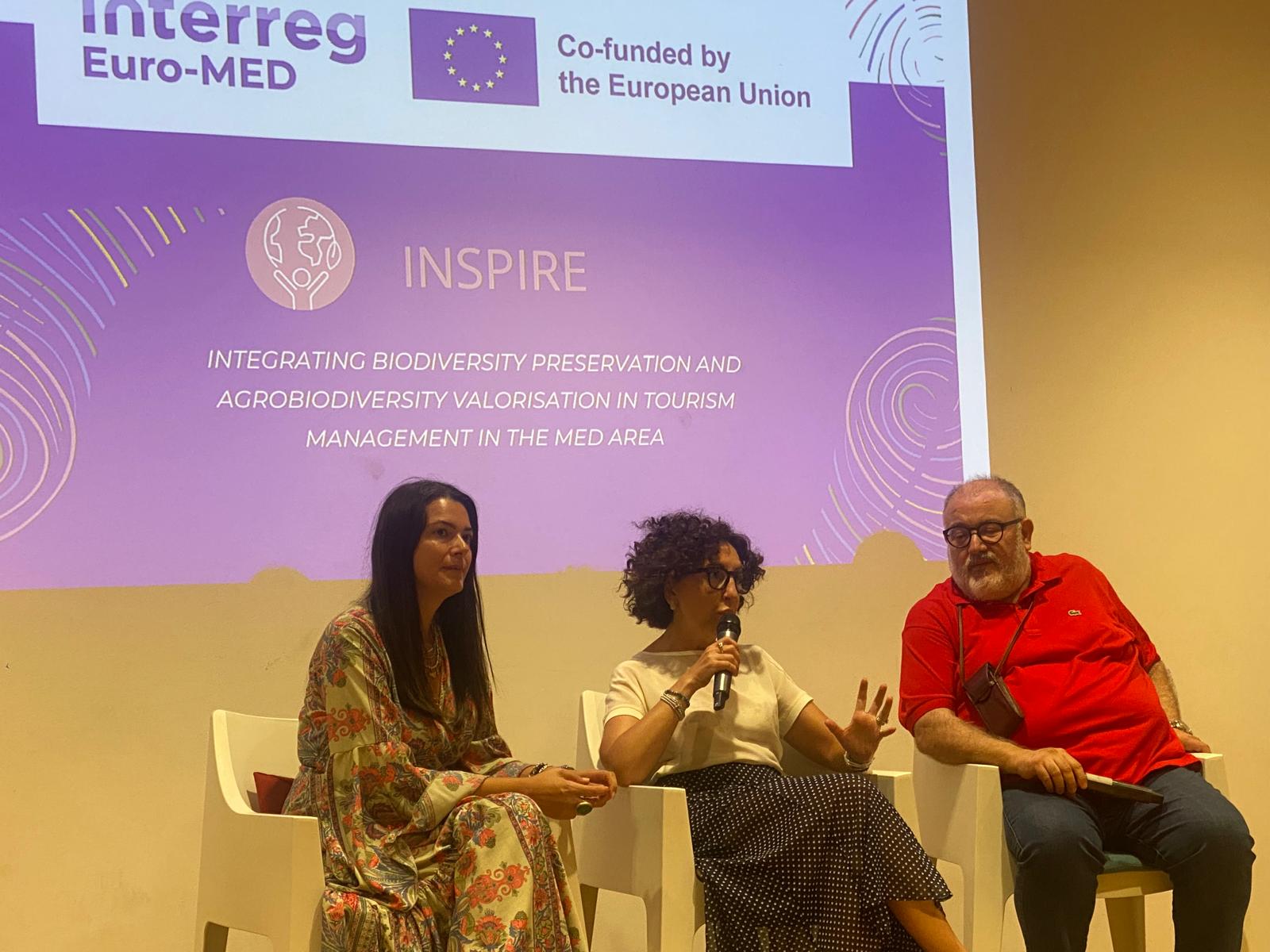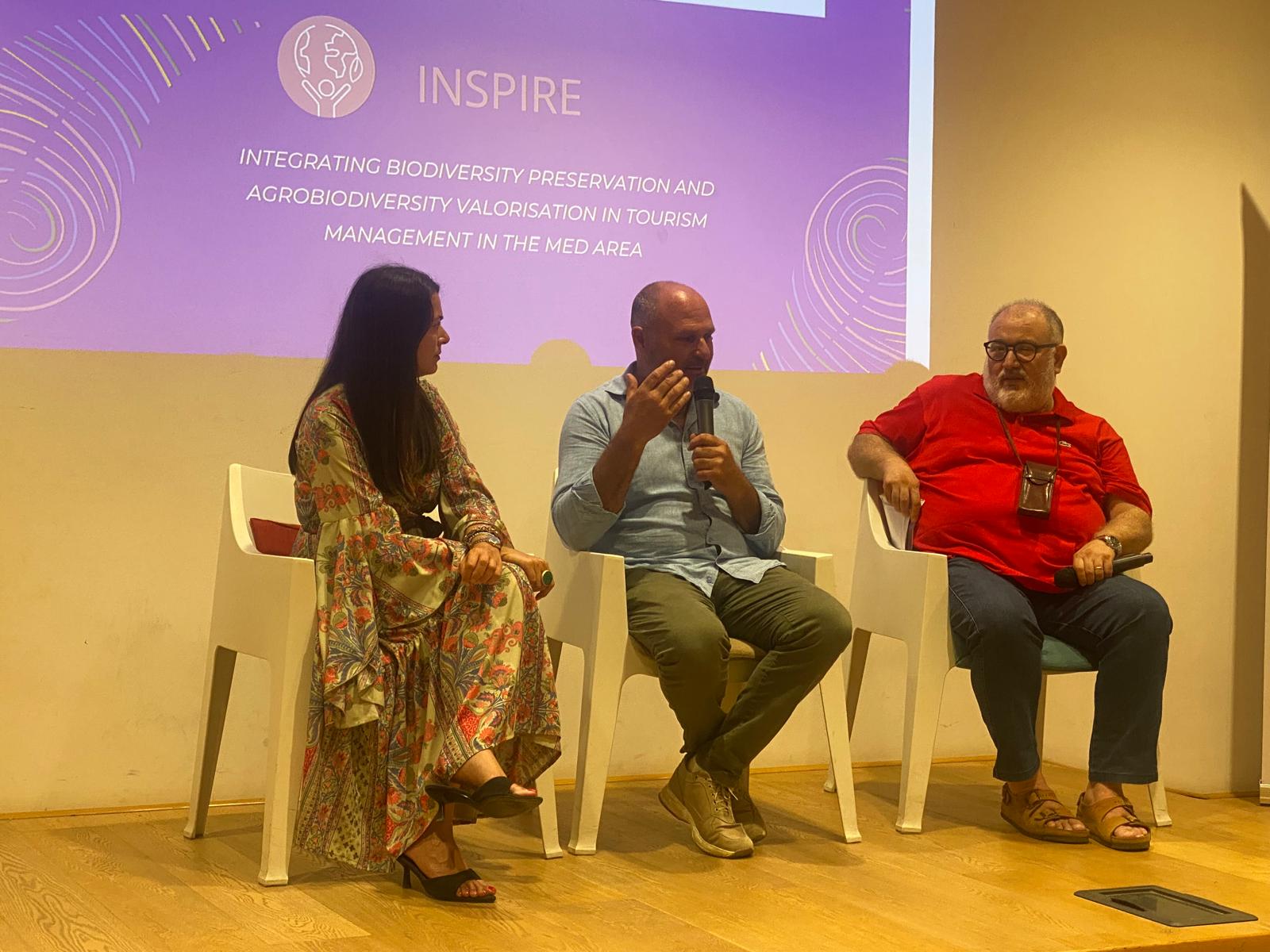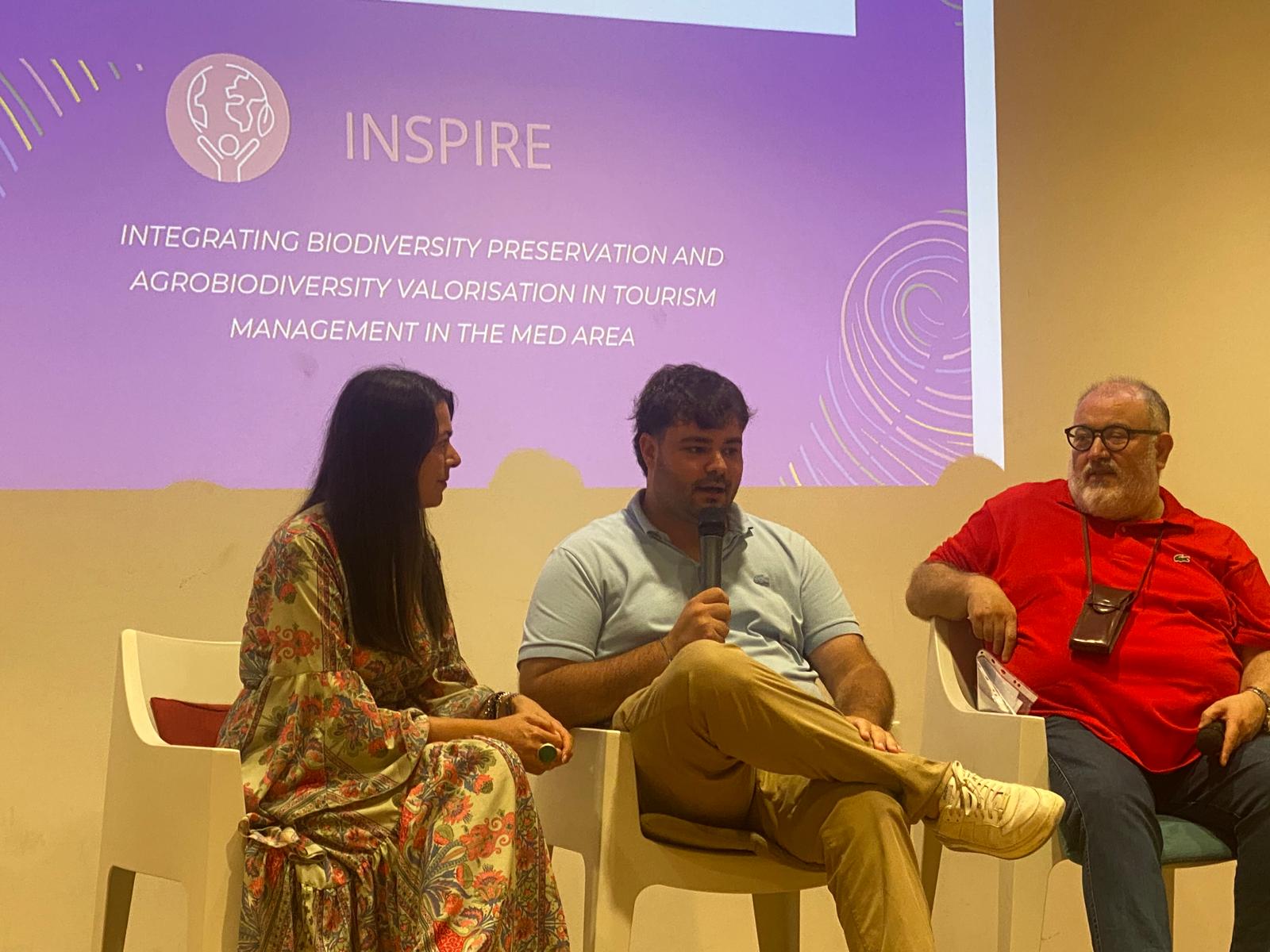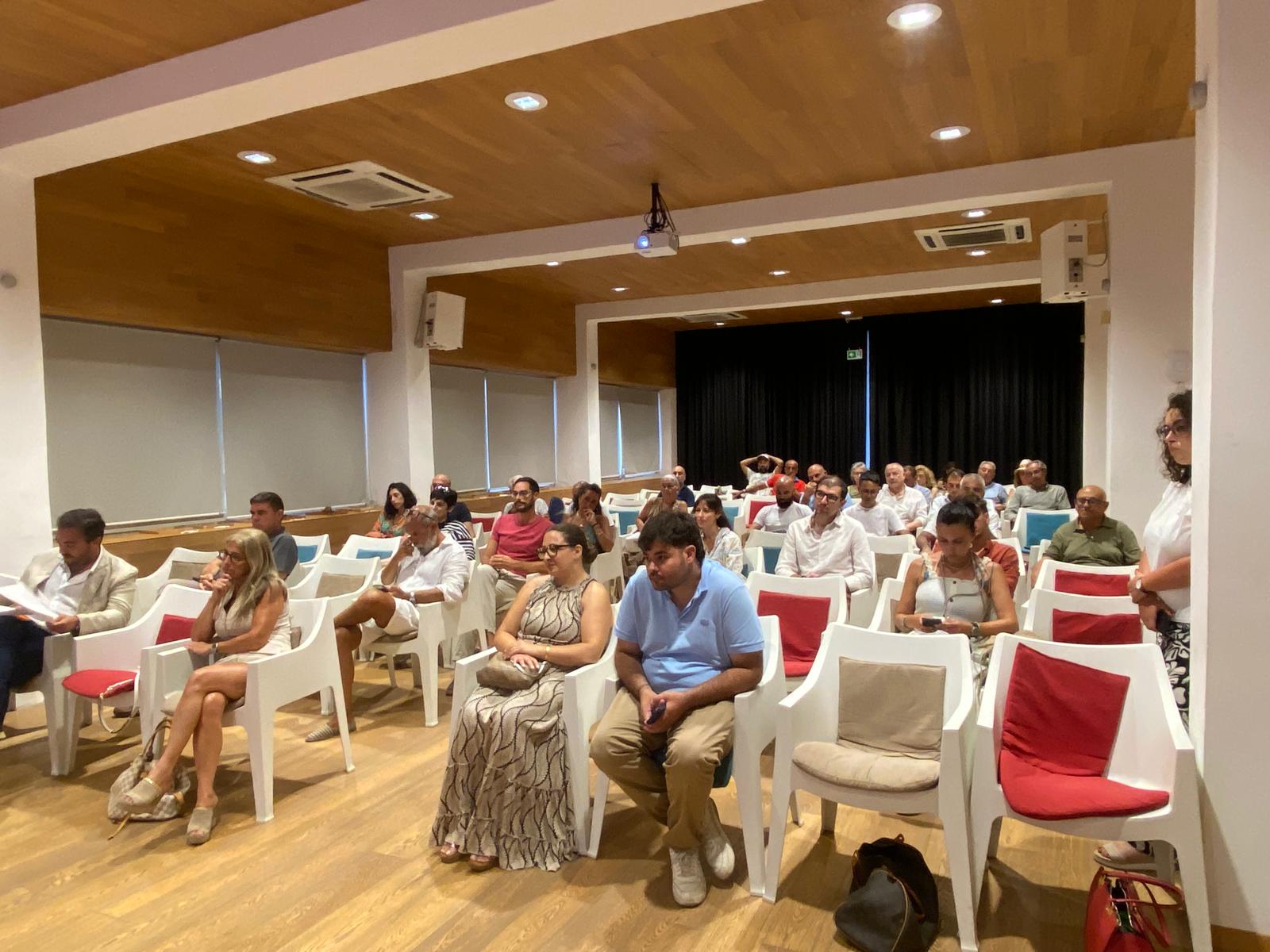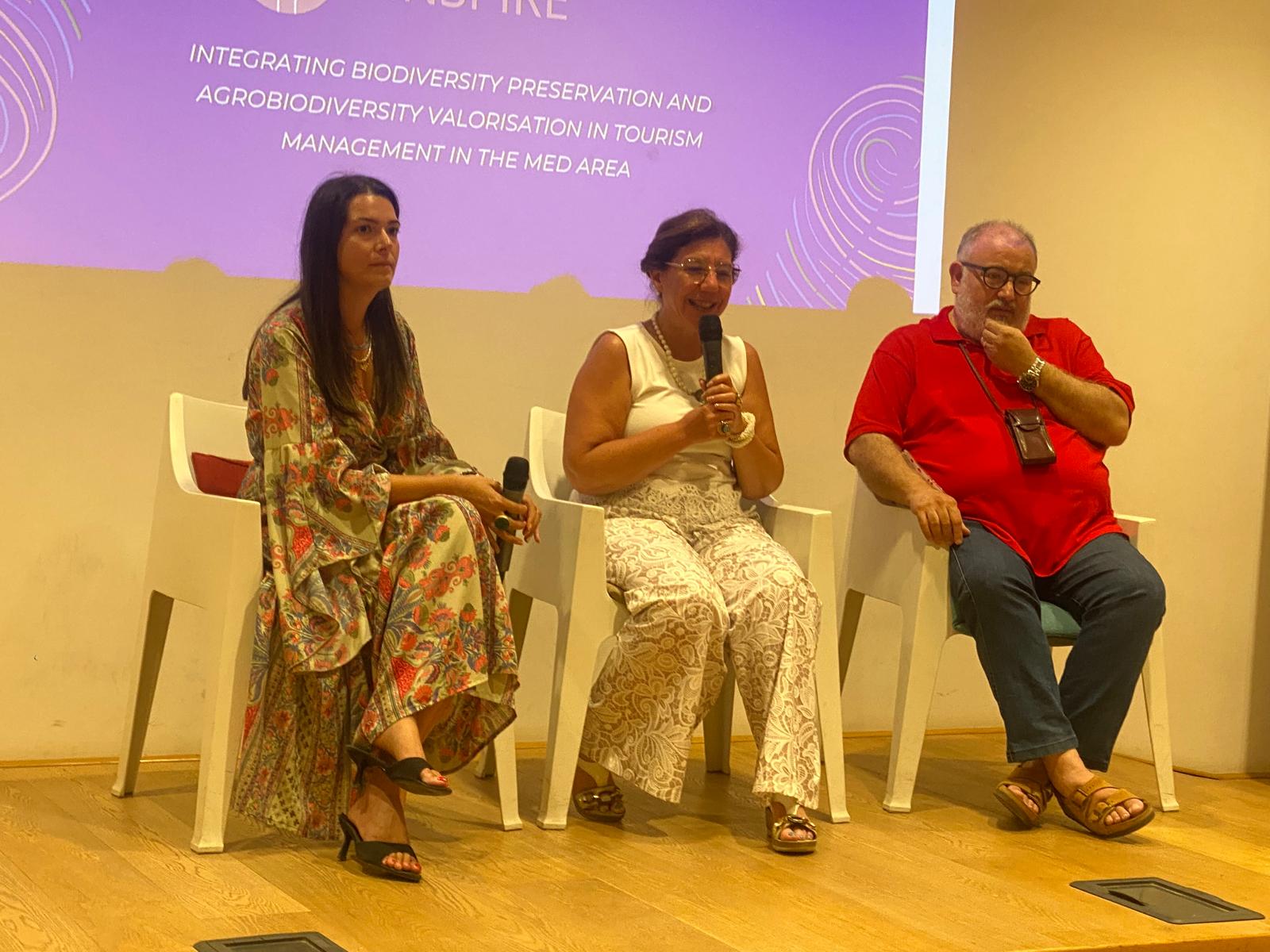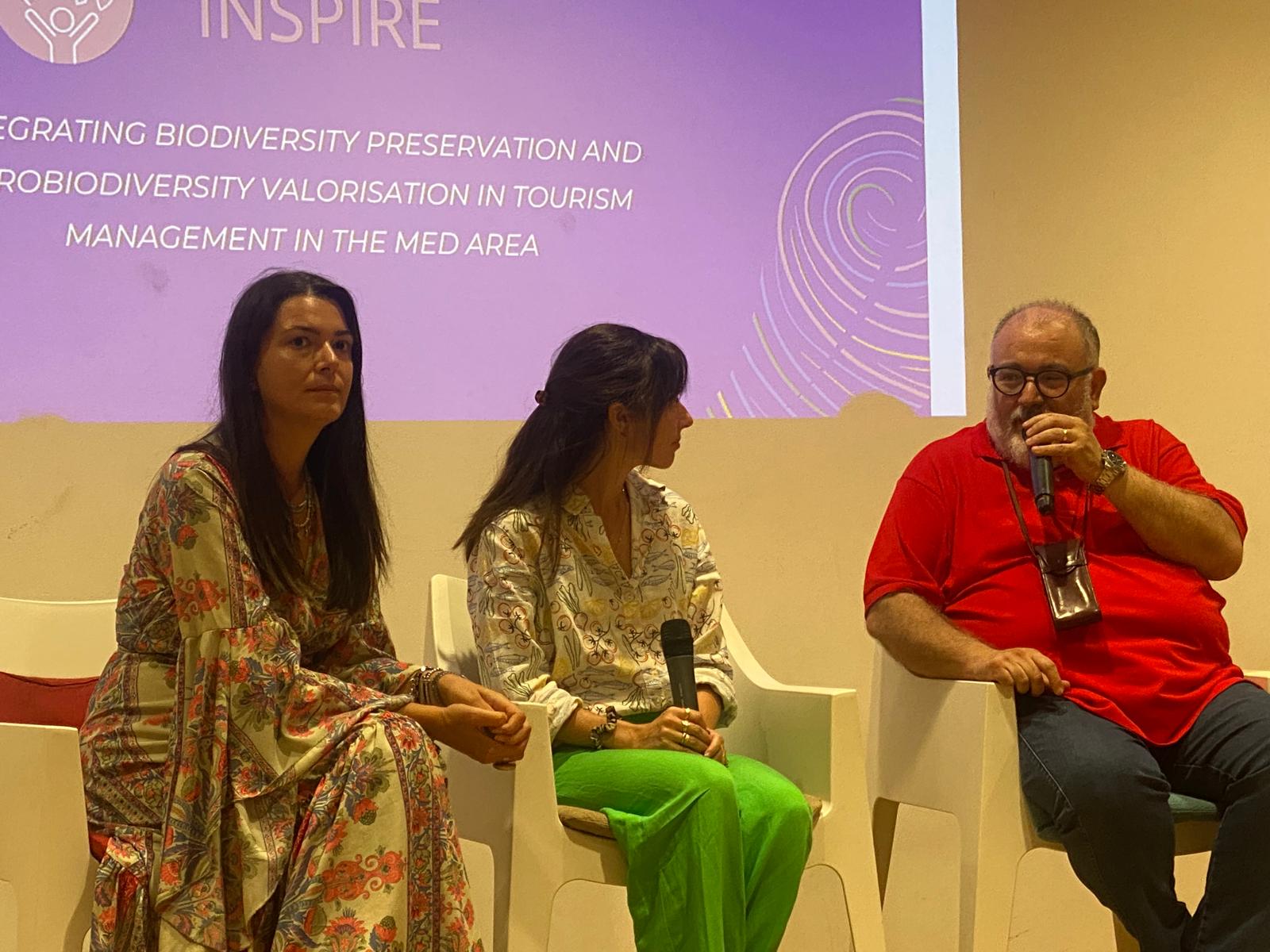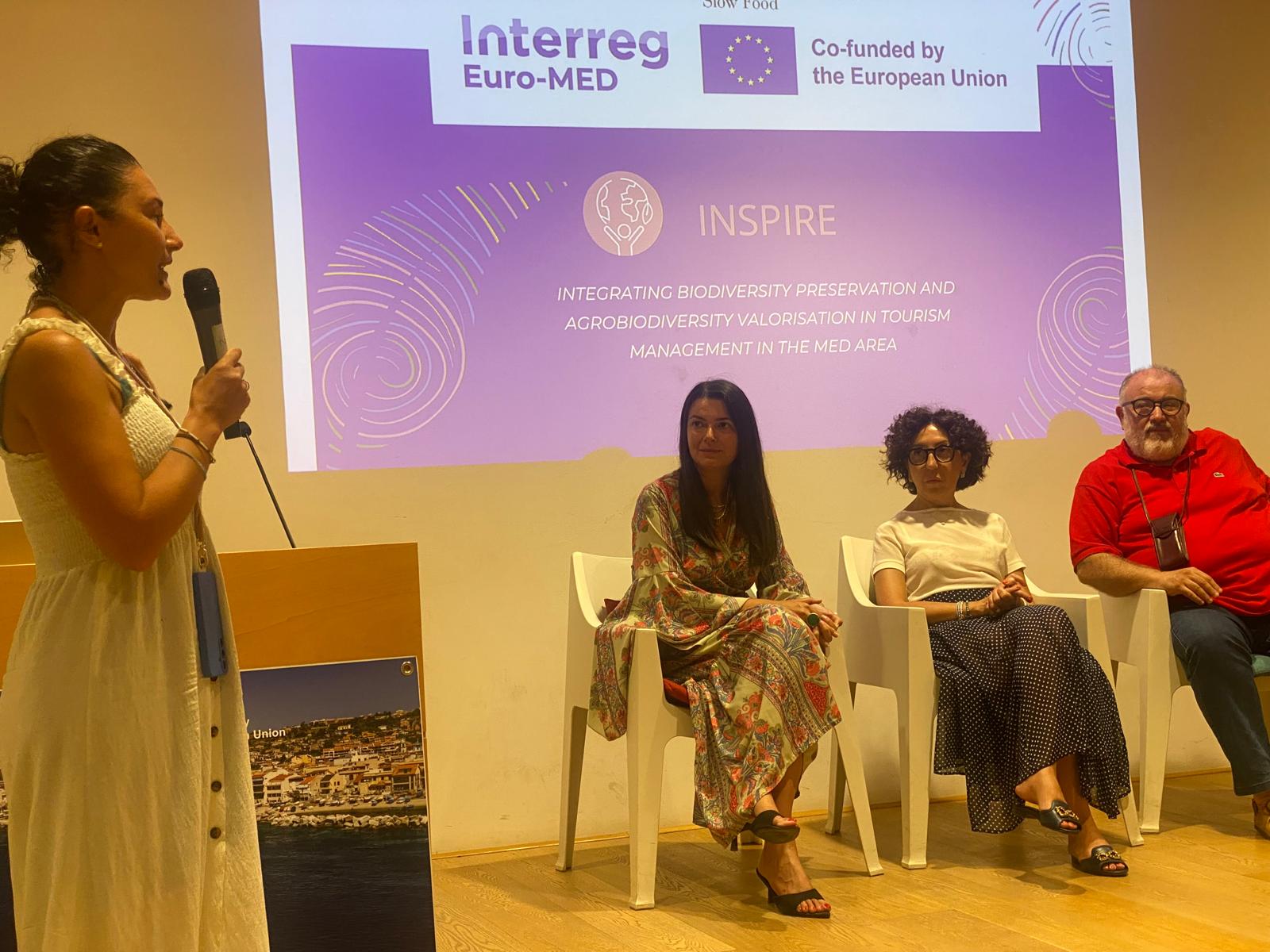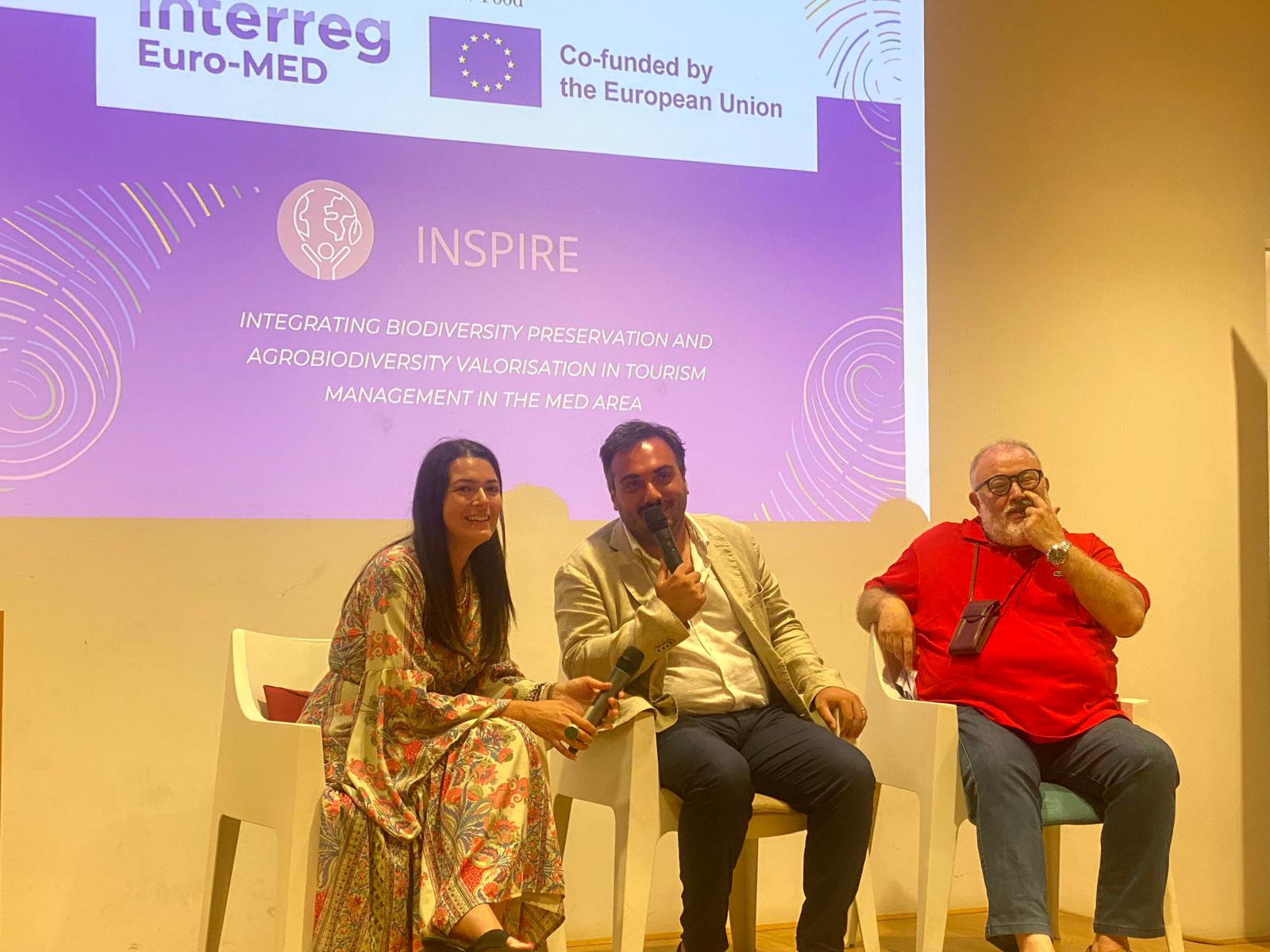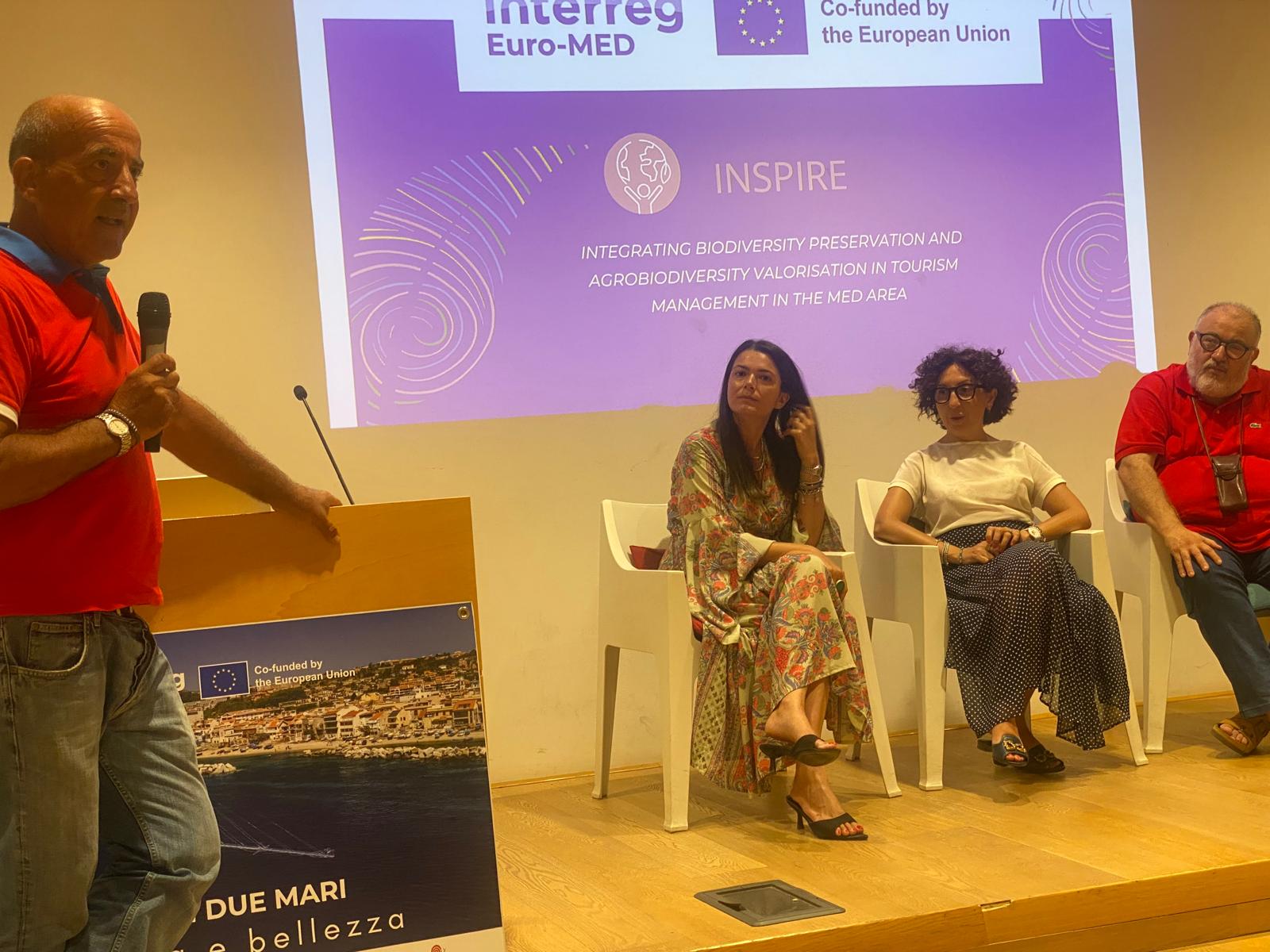

At the Horcynus Orca Foundation, producers, schools, and communities of the Messina hinterland discussed services, routes, and business networks in a debate concluded by a tasting of typical products and local wines. The Councilor for Agri-food Policies, Liana Cannata, was present, bringing greetings from Mayor Federico Basile and remaining in the hall for the entire debate.
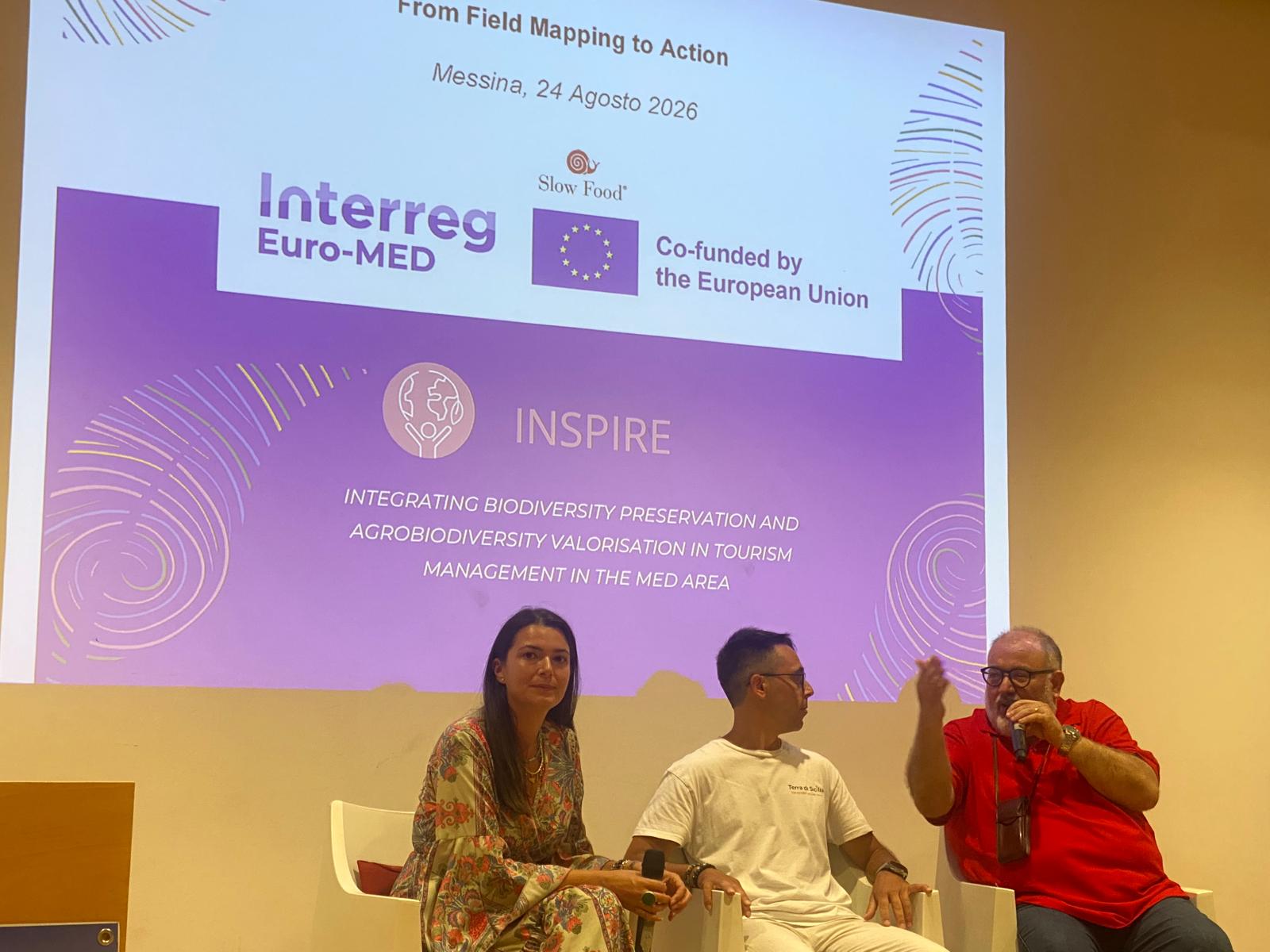
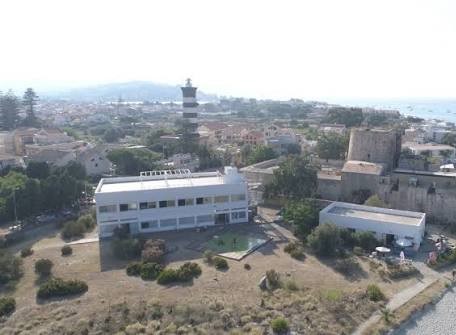
On Monday, August 24, 2026, the public meeting promoted by the Municipality of Messina took place at the Horcynus Orca Foundation in Torre Faro, within the framework of the INSPIRE project, co-financed by the Interreg Euro-MED Programme 2021-2027, of which the municipal administration is the Lead Partner.
Following the welcome greeting from the hosting facility, the floor passed to the Councilor for Agri-food Policies, Liana Cannata, who also brought greetings from Mayor Federico Basile, unable to attend due to concurrent institutional commitments. The Councilor remained in the hall for the entire duration of the proceedings, intervening several times with questions addressed directly to the speakers, and in her closing remarks indicated the goal of continuing the work initiated beyond the project’s expiration date.
The moderation, entrusted to the INSPIRE project manager and the president of Slow Food Messina APS, set up the discussion in an intentionally dialogic format, without frontal presentations and around a precise question: what is truly needed for the villages in the Messina hinterland to become living places once again and not merely landscapes to pass through.
The answer came first from those who have returned to live in those villages and work there through art. Pezzolo safeguards a landscape and identity heritage of absolute value, but it has neither a bar nor a restaurant, and without minimum services, no hospitality is possible. The district representatives broadened the issue to other hilly communities, highlighting that rebirth passes through the reactivation of the trails connecting them and the continuity of services, even before individual promotional initiatives.
The promoters of the Cammino dell’Anima (Path of the Soul) presented the 125 kilometers divided into seven stages from Dinnammare to Tindari, an already existing infrastructure on which to graft experiential circuits. That those lands can return to production was demonstrated by the recovery of Cuccìtta, the native soft wheat that has nourished local communities for generations and has returned to cultivation in Pezzolo, alongside the collective gestures that accompanied it, starting with traditional threshing.
Wine-producing companies brought the most concrete part of the discussion. The agricultural vocation and landscape hold up, but small businesses suffer from logistics costs, the fragmentation of the offer, and the difficulty of reaching markets. Therefore, networking is not merely a hope but the necessary condition for these entities to survive. The management of the technical institute for tourism responded to this crucial point in terms of skills, recalling the weight of training in building a high-level offer. Without professionalism rooted in the area, the heritage remains mute, while the school can prepare figures capable of welcoming, recounting, and networking what those places safeguard.
The debate then widened in scale. The San Placido Calonerò Agricultural Institute recalled the oenological vocation of the ancient monastic lands as a basis for credible itineraries, while the Community Foundation of Messina turned its gaze to the Parks of Beauty and Science, a network of regenerated places of which the Horcynus Orca Park is the most immediate example. There was also a reference to the sea, highlighting Messina’s role as a cruise port and the possibility of intercepting ship workers, an audience that comes ashore all year round and could return as visitors.
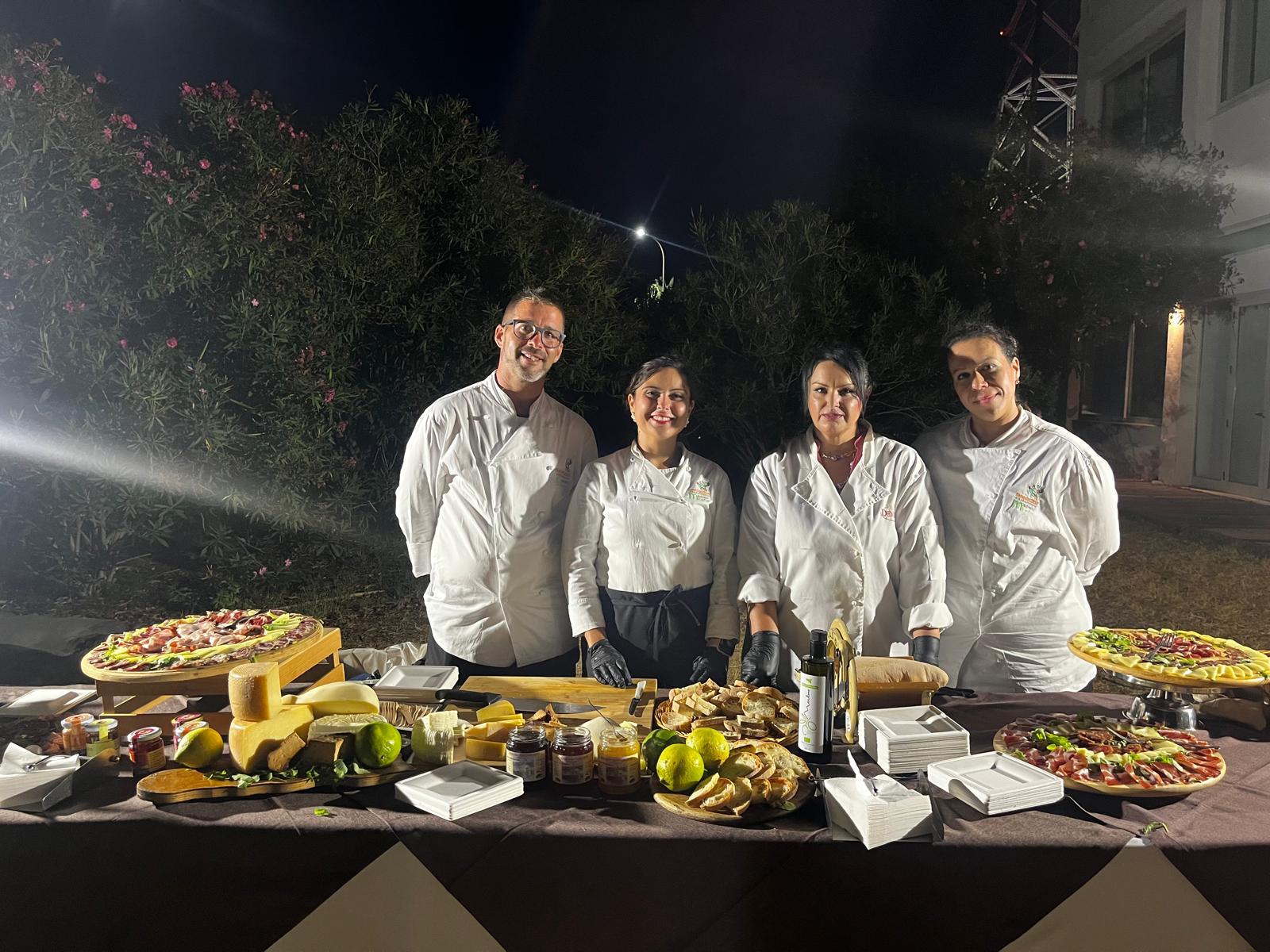
The evening ended with a tasting of typical products from the hinterland and local wines. Reactivating the villages and their routes is possible, but no single operator can do it alone; institutional support is needed, primarily consisting of continuity, coordination, and simplification. This is the perspective that INSPIRE has already placed on the agenda with the Local Pact, the tool through which local stakeholders make commitments intended to last even after the closure of the co-financed activities.
The Torre Faro meeting anticipates the path of the Local Living Labs that the Municipality of Messina, as Lead Partner, has scheduled in the area for the coming months.
The INSPIRE project (INnovative Sustainable tourISm gRoundEd on agrobiodiversity), code Euro-MED0401041, CUP F49I25000250006, is co-financed by the European Union within the Interreg Euro-MED Programme 2021-2027. The Municipality of Messina is the Lead Partner of the partnership.
#INSPIREproject #SustainableTourism #Agrobiodiversity #Mediterranean